Friday, 10 May 2024
Menu




It is easy to see that we twist and untwist our equipment almost twice as often as we dive. What should we pay attention to in order to take proper care of our equipment and our comfort underwater?

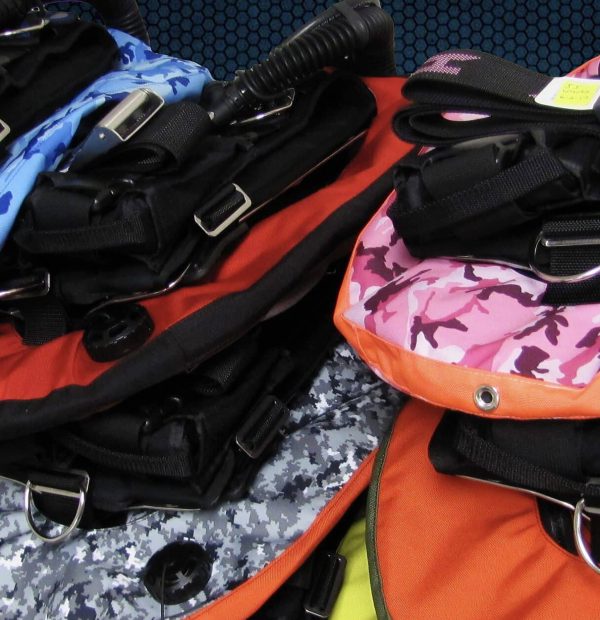
The first important thing is to attach the jackets to the cylinders. This seemingly simple operation can cause many difficulties and problems. The assembly should start with soaking the straps of the jacket in water. The fabric of which they are made expands after soaking so that we are able to fasten the buckle more securely. If we do not do this before entering the water, there is a risk of the cylinder slipping out.
The height at which we attach the cylinder to the jacket is also important. Usually it is slightly below the head of the cylinder, but this distance can be individual for each diver. The way we attach the cylinder will affect our buoyancy underwater. If the cylinder is mounted too high, we may hit our head on the cylinder and our position will overbalance us towards the head. If we mount the cylinder too low, we will be outweighed towards our legs.
Once the cylinder has been fitted it is the turn of the automatic. We screw it in towards our head until the first resistance is reached. At the beginning we may have problems with attaching the inflator quick-release coupling under pressure, so we should do it before unscrewing the cylinder valve.
To ensure long life of the breathing apparatus it is necessary to take care not to unscrew the cylinder abruptly. It is safest to do this while gradually letting go of the bypass of one of our second stages. Remember to unscrew the cylinder valve as far as it will go and then turn it back one turn. This will allow us to easily see if the cylinder is unscrewed or screwed on after the dive.
When disassembling the equipment all the steps should be followed in the same way. If you have problems with unscrewing the first stage from the cylinder, make sure that there is no pressure left in the whole system!
Adam Sieczkowski
PADI Master Scuba Diver Trainer
SSI Advanced Open Water Instructor
DAN Adv. Oxygen Provider Instructor
TDI Normoxic Trimix Diver
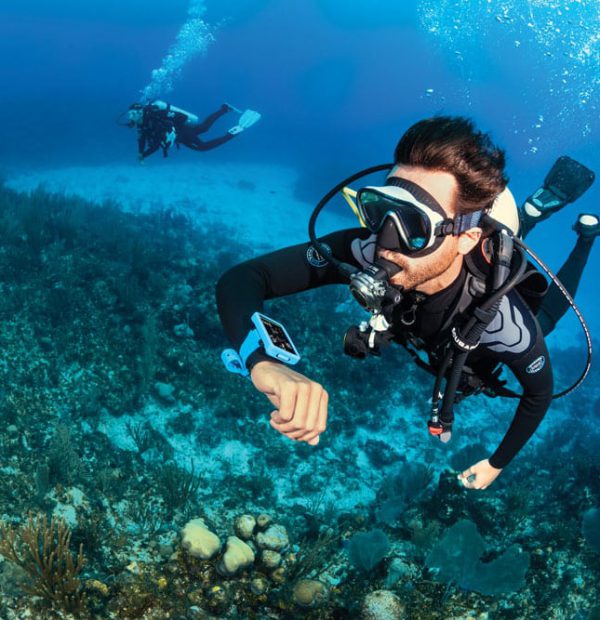
photo: Vektor Sport/Poseidon