Tuesday, 28 October 2025
-- Advertisement --
dive soft ccr liberty

China creates unit for archaeological work on water

Listen to this article China is building the first ship designed for archaeological work in the open sea. It will allow Chinese researchers to sail to offshore locations. It will also allow exploration, excavation and transport of finds to the mainland. The vessel is scheduled to be completed by the end of 2013. Thanks to
Published: October 30, 2012 - 20:24
Updated: July 22, 2023 - 04:36
China creates unit for archaeological work on water
Listen to this article

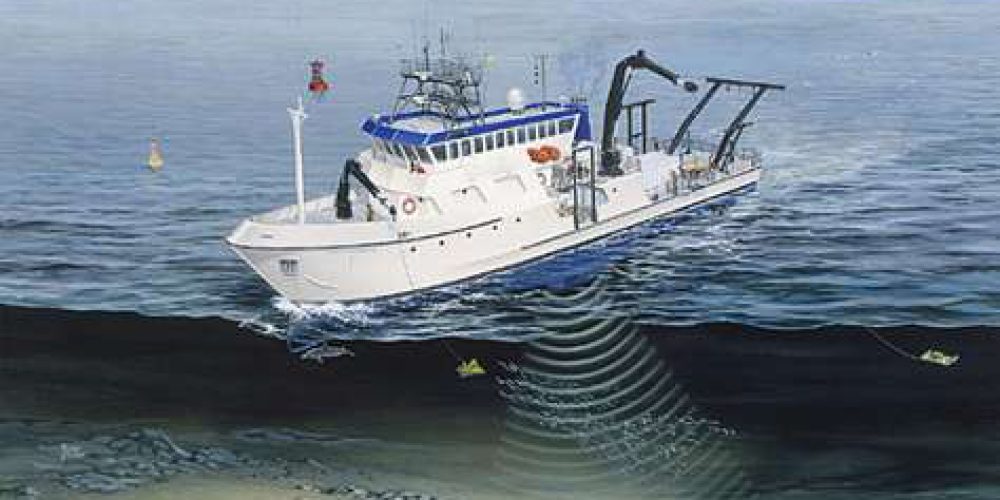
China is building the first ship designed for archaeological work in the open sea. It will allow Chinese researchers to sail to offshore locations. It will also allow exploration, excavation and transport of finds to the mainland. The vessel is scheduled to be completed by the end of 2013.

-- Advertisement --

Thanks to this turn of events, Chinese archaeologists will finally have their own ship, and knowing life and the momentum prevailing in this part of the world, it will certainly be a real ship. According to the plan, the vessel will be 56m long and 4.8m wide, with a displacement of 860 tonnes. It will be propelled by an integrated electrical system.

The Chinese archaeologists’ new baby will work mainly in coastal areas, but if conditions are favourable, the waters surrounding Xisha and Paracel islands in the China Sea will be within its range.

With the equipment on board, researchers will be able to search for and locate finds, as well as produce maps and video recordings, and carry out excavation operations during research. China Ship Building Corporation and Changhang Dongfeng Ship Buliding Corporation are responsible for the construction of the ship.

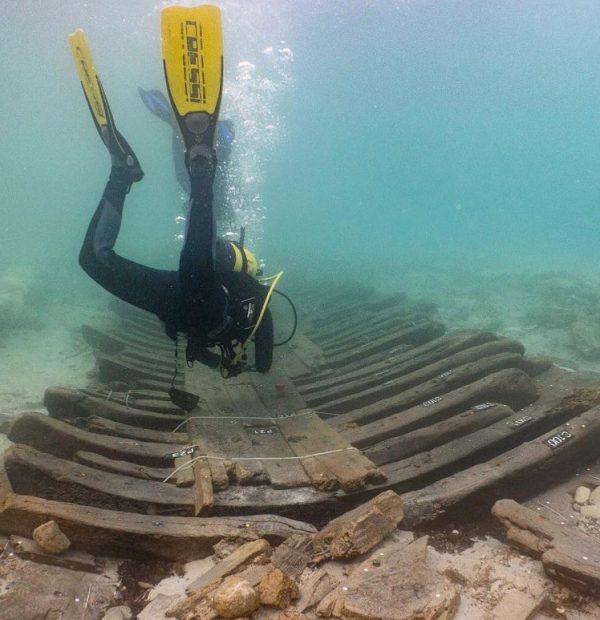
Chinese archaeologists are already rubbing their hands at the thought of their new acquisition. Until now, they have had to make do by chartering vessels from local fishermen. China’s 18,000-kilometre coastline is full of monuments that will be easier to explore thanks to technological advances.

Source: xinhuanet.com

Other posts
Share:
Facebook
Telegram
LinkedIn
Twitter
Pinterest
WhatsApp

About author

Tomasz Andrukajtis
Editor-in-chief of the DIVERS24 portal and magazine. Responsible for obtaining, translating and developing content. He also supervises all publications. Achived his first diving certification – P1 CMAS, in 2000. Has a degree in journalism and social communication. In the diving industry since 2008.
-- Advertisement --
freediving dive insurance dan
-- Advertisement --
halcyon dive app
Recent post
Nine Baby Sharks Released in Maltese Waters
Koh Tao's 5 most popular dive sites by Manueella
An underwater archaeological park will be built in Porto Cristo, Mallorca
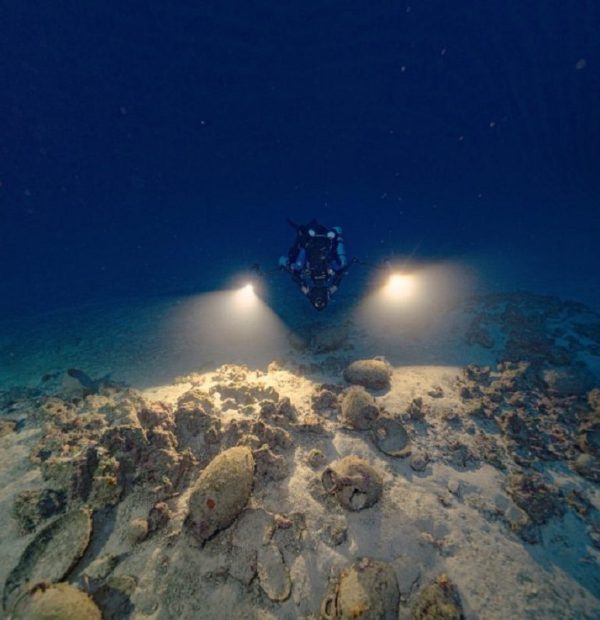
The world's first deep-sea archaeological park will be built in Malta
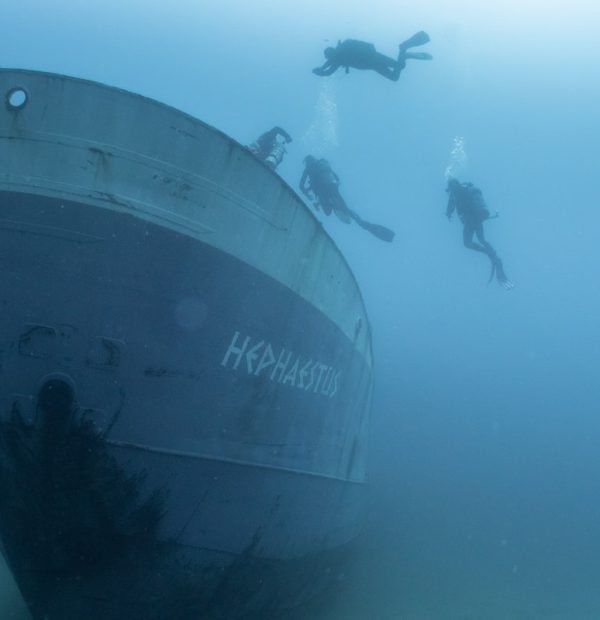
First underwater photos and dive on the wreck of the tanker "Hephaestus"
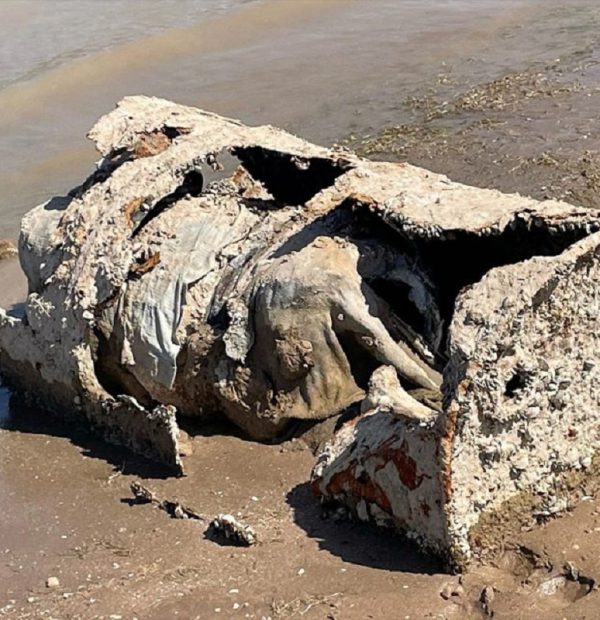
Drought has exposed more human remains in Lake Mead
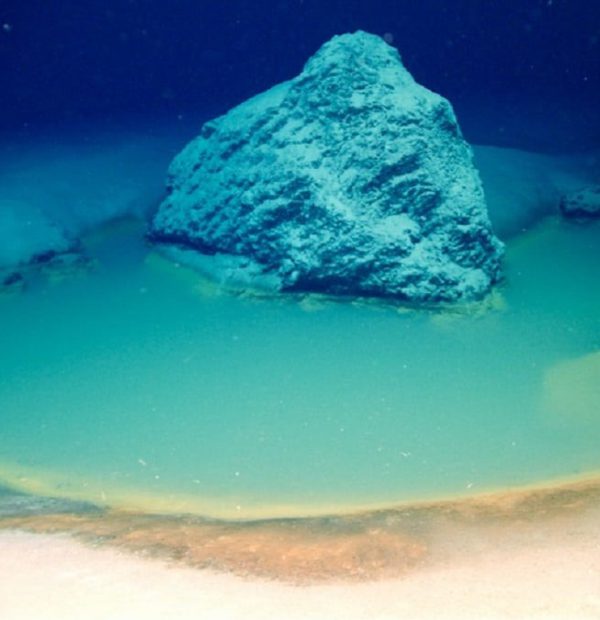
Rare deep-sea saline pools discovered in the Red Sea - video
You haven't read yet
Meet the Symbios Ecosystem: Your Next-Level Dive Experience
Baltictech 2024 nearly 1000 attendees
DiveXpo 2024: Belgium’s Premier Diving Event for All Levels
Halcyon Dive Systems Announces a Bold New Chapter
Guz Tech Conference 2024 – This Weekend in Plymouth, UK
Introducing Garmin's Descent X50i: A New Era in Tech diving

Search...

The Divers24 portal is currently the largest online medium treating diving in Poland. Since 2010 we have been providing interesting and important information from Poland and around the world on all forms of diving and related activities.

Contact us: [email protected]